
You’ve made some great progress.
You’re moving more. You’re eating better. You’ve lost weight, your energy is up, and you’re thinking more clearly. You’re sleeping better, feeling better, and maybe even hearing compliments from friends and coworkers.
But at home?
Your loved one isn’t on board.

You’d love for them to feel as good as you do. You’re not trying to push anything on them. You just know how much better life can be. But they’re still stuck in their old ways—and don’t seem interested in changing.
Here’s the tough truth: you can’t make anyone change.
Even when your intentions are good. Even when it’s someone you care deeply about.

What can you do?
1. Focus on your own behavior
This is always where the power is. I’ve coached many clients over the past 7 years who’ve been in your exact spot. The most effective strategy—by far—is to stay in your lane and keep working your program.
That means:
- Keep cooking/eating healthy meals for yourself.
- Keep doing your walks or workouts.
- Keep building habits that help you feel better.
When you’re consistent, your results start to speak louder than any words could.

2. Avoid “helpful reminders” (aka nagging)
Bringing it up again and again rarely works. In fact, it usually backfires. People don’t like being told what to do, even when they know it’s probably right. It can trigger defensiveness, and before you know it, they’re digging in harder.
Nagging—even subtle forms of it—often makes things worse.

3. Show love without judgment
This might be the most important part. If your loved one doesn’t feel judged or pressured, they’re much more likely to become open to change.
When they see your energy go up, your stress go down, and your confidence return—without you preaching or pushing—they may start to wonder,
“What would happen if I tried that too?”
And if they never change? That’s hard. But it doesn’t take away from your progress. You’re doing this for you, and that matters.
Thinking of having a conversation anyway?

Here are a few pointers, inspired by James Clear, author of Atomic Habits:
- Keep it small. Big changes feel overwhelming. Suggest just one tiny shift they could try, like adding one veggie at lunch.
- Focus on identity, not outcomes. Instead of saying “you should lose weight,” try something like “I feel more like myself when I eat this way.”
- Model, don’t push. Let your results spark their curiosity.
- Respect their timeline. Change often happens slowly—after resistance fades.
Need support for staying the course?
I’ve helped many people keep moving forward, even when their loved ones weren’t on board. If you’re doing the work and want some guidance—or just someone in your corner—I’d love to talk.
Let’s keep your momentum going.
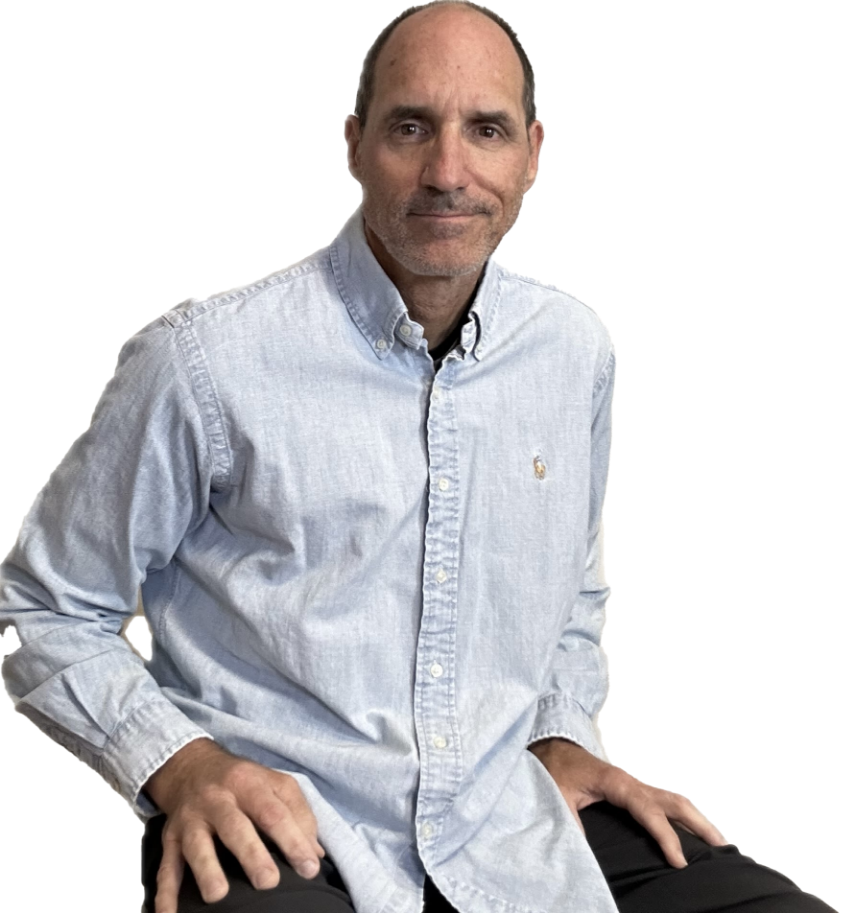
Mike Thomas is a registered pharmacist and a Mayo Clinic-trained, board-certified health coach. He specializes in helping busy professionals overcome low energy, high stress, and chronic pain to reclaim their health and vitality.
This blog is for educational and informational purposes only and solely as a self-help tool for your own use. I am not providing medical, psychological, or nutrition therapy advice. You should not use this information to diagnose or treat any health problems or illnesses without consulting your own medical practitioner. Always seek the advice of your own medical practitioner and/or mental health provider about your specific health situation. For my full Disclaimer, please go to CoachMikeThomas.com.