
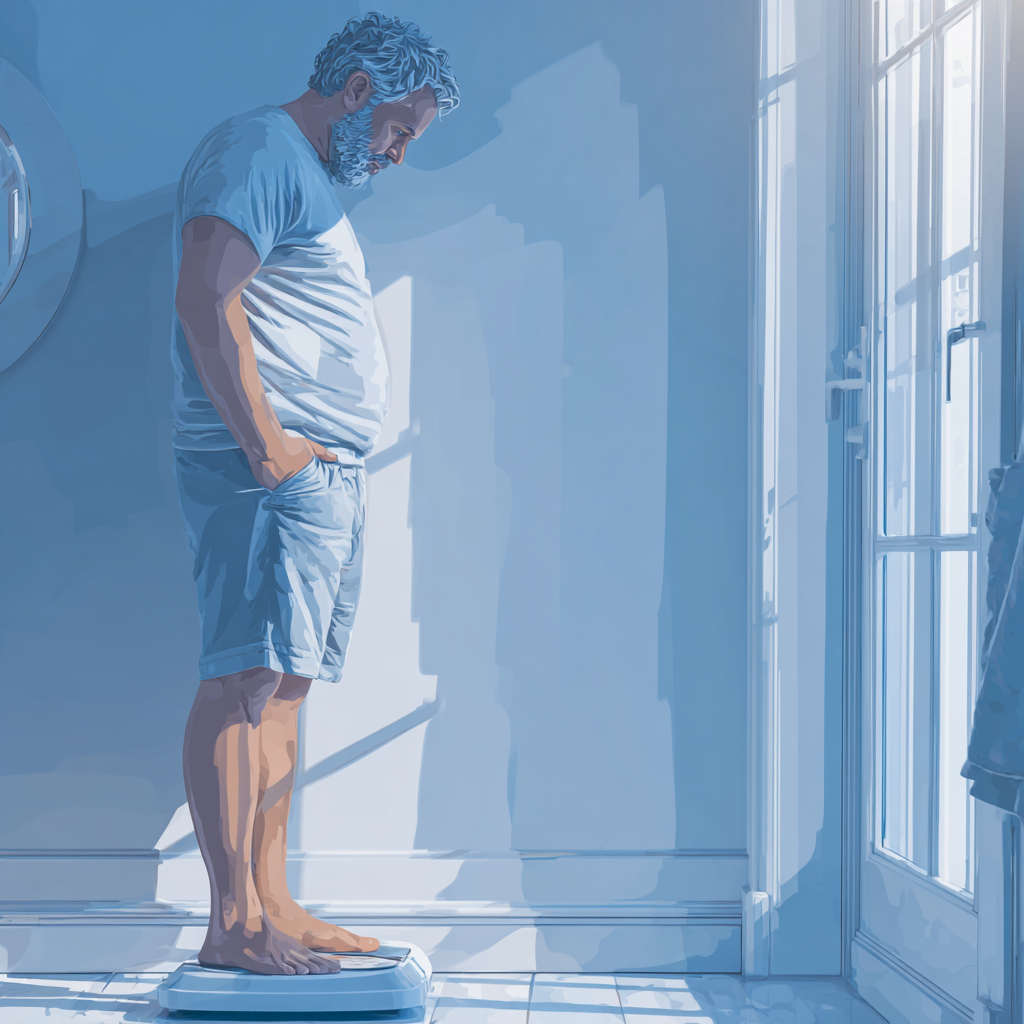
The scale was moving. You felt proud. Then suddenly… nothing.
No change for days or even weeks.
This is the moment many people start to panic and think, “What am I doing wrong?”
But you’re not doing anything wrong. Plateaus happen to almost everyone on GLP-1s — and they’re a normal part of the process, not a sign of failure.
Why plateaus happen on GLP-1s
GLP-1s lower your appetite and help you eat less. This leads to early weight loss, sometimes pretty fast. But your body is smart. When weight drops, your body adjusts so it can protect your energy and stay steady.

Here are the main reasons plateaus happen:
- Your body needs a break
Your body sometimes slows weight loss to “check in” and make sure you’re safe. This pause is completely normal. - Your metabolism shifts
As you lose weight, your body burns fewer calories because there is simply less of you. This can slow progress for a while. - You may be eating too little
It sounds strange, but eating too little can stop weight loss. When you don’t get enough food or protein, your body holds on to energy and slows things down. - You’re losing muscle
If you’re not strength training, muscle loss can slow your metabolism. Muscle is like your body’s engine — you want to keep it strong. - Your routine changed
Even small changes in movement, meals, or sleep can affect the scale.
Plateaus are not a problem. They’re a signal. Plateaus are your body asking for support, not punishment. Instead of feeling stuck, think of a plateau as your body saying:
“I need some small adjustments so I can keep going.”
Here’s what you can do to restart progress

- Add more protein
Protein protects your muscle and supports your metabolism.
Aim to include protein at each meal: eggs, Greek yogurt, chicken, beans, tofu, cottage cheese, or fish.
When protein goes up, plateaus often move. - Strength train 2–3 times a week
Strength training tells your body to keep muscle, which helps your metabolism stay active.
You don’t need a gym.
Simple moves like squats, wall push-ups, dumbbells, or resistance bands make a big difference.

Look for small pattern changes
Ask yourself:
Am I eating enough?
Am I eating balanced meals?
Am I drinking water?
Am I getting enough sleep?
Has my movement dropped a little?
Small things can add up.
- Add a little movement
Even 10 minutes of walking helps your body reset.
Movement wakes up your muscles and encourages your body to start burning again. - Give your body time
A plateau doesn’t mean the medication stopped working.
It usually means your body is adjusting.
Many people see progress again within a few weeks once they make small changes. - Don’t compare your progress to others
Your journey is your own.
Your body, your history, your stress, and your routines are different from everyone else’s.
Stay focused on your own steps.
When to talk to your doctor
If you’ve made small changes and still feel stuck for a long time, you can talk to your doctor about:
Staying at your current dose longer
Adjusting your dose
Checking labs or other health factors
This is a team effort. You don’t have to figure it out alone.
A final word for you

Plateaus can feel frustrating, but they don’t mean you’re failing.
Your body is working with you, not against you.
With small, steady steps — more protein, strength training, simple routines, and patience, you can move forward again.

Mike Thomas is a registered pharmacist and a Mayo Clinic–trained, board-certified health coach who specializes in helping people on GLP-1 medications protect their health, preserve muscle, and build sustainable habits for lasting results—during and after treatment.
This blog is for educational and informational purposes only and solely as a self-help tool for your own use. I am not providing medical, psychological, or nutrition therapy advice. You should not use this information to diagnose or treat any health problems or illnesses without consulting your own medical practitioner. Always seek the advice of your own medical practitioner and/or mental health provider about your specific health situation. For my full Disclaimer, please go to CoachMikeThomas.com.